Loading cart contents...
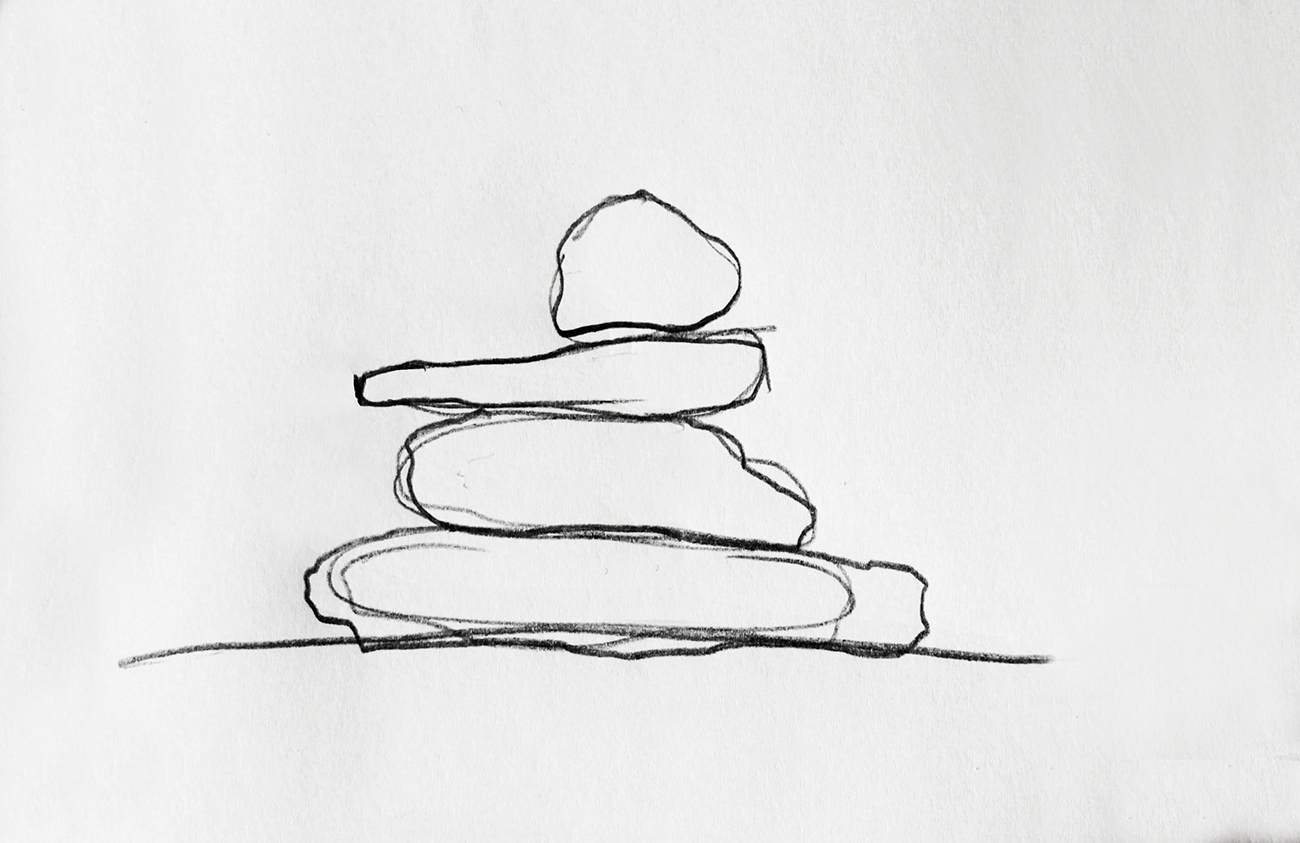
Stacks of stones
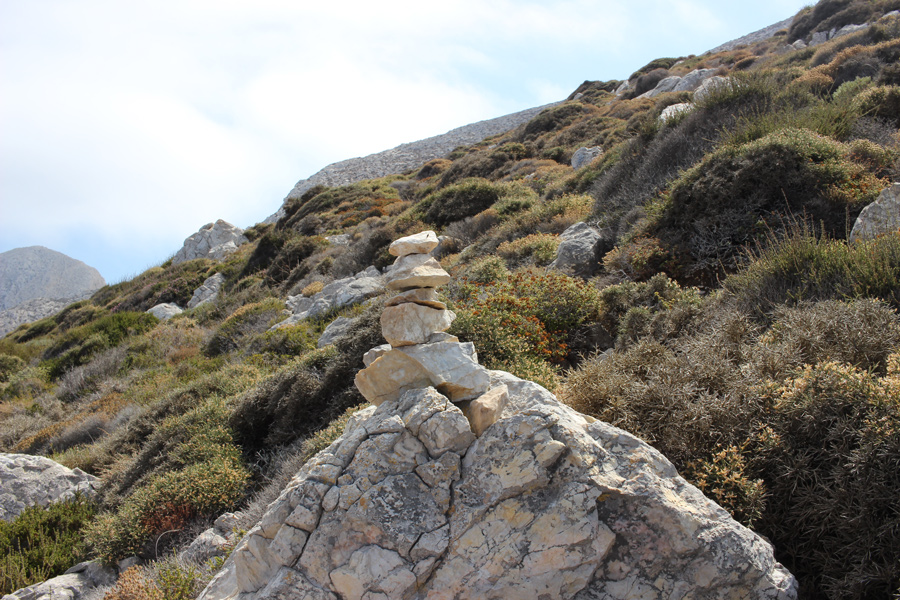
[English] An elementary gesture, a stack of stones, an artifice that borrows matter from the landscape – the stone – stacks it one on top of the other and makes a sign of it. Order on causality.
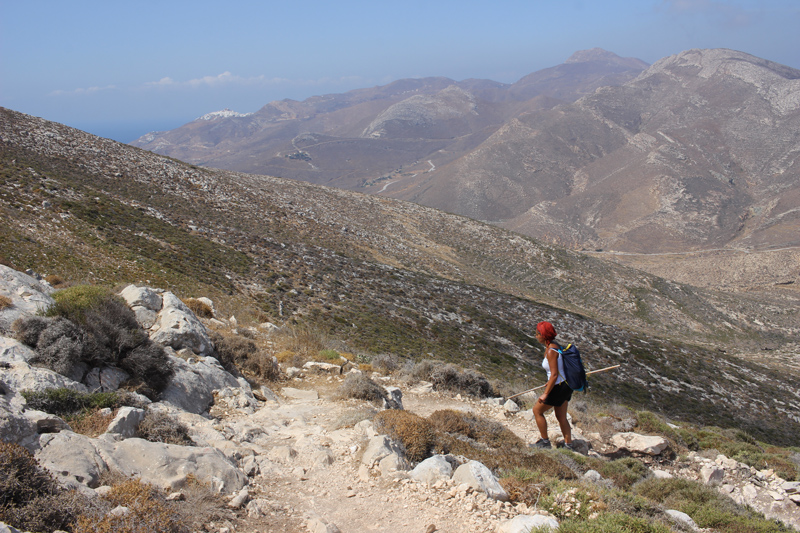
a pile of a few stones describe with an instinctive and primordial language the passage of man where there is apparently no trace of human being. Hikers know its function very well. Stacked stones indicate a presence, a direction, they are a path-indicator. They tell us that we are not lost in the mountains, they reassure us, they make us feel that that land has already been beaten, that that path belongs to all those who have trodden it and all those who will tread it.
Three stones would be enough, yet the passing walker often adds another, and yet another, for a need for participation, sharing, and almost always as a gesture of gratitude. Rituality keeps them alive.
Design as an act of shared gratitude.
—
[Italiano]
Un cumulo di pietre, lo chiamano l’ometto di montagna, un gesto elementare che prende in prestito materia dal paesaggio, la pietra, la impila una sull’altra e ne fa segno, un artificio che impone un ordine sulla casualità. Tre o quattro pietre già bastano a descrivere la presenza dell’uomo lì dove apparentemente c’è solo natura. I camminatori ne conoscono bene la funzione. L’ometto di montagna indica una direzione, un sentiero, un percorso da seguire. Ci rassicura, ci dice che non abbiamo perso la direzione, ci fanno sentire che quella terra è stata già battuta, che quel percorso appartiene a tutti quelli che lo hanno calpestato e a tutti quelli che lo calpesteranno. La ritualità le tiene in vita. Tre o quattro pietre già bastano, eppure il camminatore di passaggio spesso ne aggiunge un’altra, e un’altra ancora, per una necessità di partecipazione, di condivisione, e quasi sempre come gesto di gratitudine.
Il design come atto di gratitudine condivisa.l’
—